Why a craftsman style house Stands Out in Residential Architecture
The Duty of Arts & & Crafts Architects in Elevating Architectural Services in Residential Design
Arts and Crafts architects substantially influence domestic style through their commitment to workmanship and sustainability. They prioritize handmade details and all-natural materials, which improve both looks and community identification. By including customers in the layout process, these architects develop special home that reverberate with personal preferences. This technique questions regarding the future trajectory of property architecture and its prospective effect on area dynamics. craftsman style house. What lies ahead for this classic layout ideology?
The Concepts of Arts and Crafts Architecture
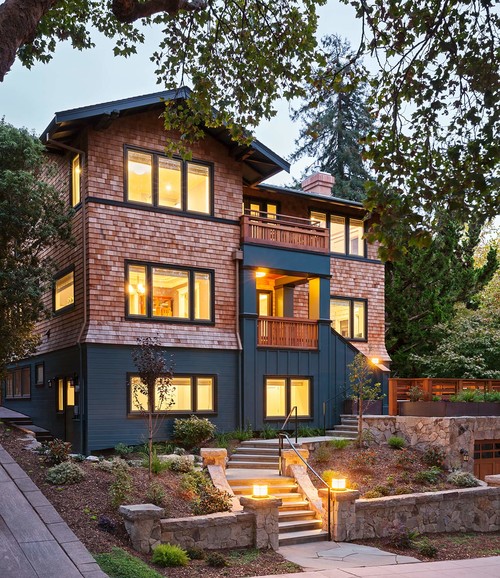
The significance of Arts and Crafts architecture copyrights on its dedication to workmanship and simpleness. This building motion arised in the late 19th century as a feedback to automation, emphasizing the worth of handcrafted details and natural materials. The concepts of Arts and Crafts architecture focus on functionality and harmony with the environment. Structures generally feature low-pitched roofings, wide eaves, and exposed rafters, advertising a feeling of unity with nature.
Artisans played a substantial function in this style, frequently incorporating ornamental aspects like tarnished glass, ceramic tiles, and woodwork, which show regional craftsmanship. The color palette often tends to be earthy and controlled, allowing structures to blend flawlessly right into their environments. On top of that, the layout motivates open layout and public areas, cultivating a feeling of togetherness. On the whole, the concepts of Arts and Crafts architecture commemorate the appeal of simplicity and the relevance of human connection to both nature and area.

Lasting Practices in Residential Design
While the demand for environmentally responsible living remains to grow, sustainable practices in domestic style have gotten considerable grip among architects and house owners alike. Architects are progressively integrating energy-efficient modern technologies and lasting materials into their designs, aiming to reduce carbon footprints and enhance power preservation. Approaches such as easy solar style, eco-friendly roofing systems, and rainwater harvesting systems are becoming basic components of modern residential architecture.
Furthermore, the option of in your area sourced materials minimizes transport discharges and sustains local economic climates. Emphasis on all-natural light and ventilation not just enhances interior air high quality yet likewise lowers reliance on fabricated illumination and environment control systems. These sustainable techniques reflect a dedication to preserving the atmosphere while providing home owners with comfortable, reliable home. As recognition of environmental problems expands, the combination of sustainability in household style is positioned to become a specifying characteristic of contemporary architecture, guided by the concepts developed by Arts and Crafts architects.
Customization and Personalization in Home Layout
Customization and customization in home layout have arised as crucial trends in response to the growing need for unique living settings that reflect specific preferences and way of livings. House owners increasingly seek to tailor areas that reverberate with their personal identifications, leading to a more significant link with their space. craftsman style house. This activity urges architects to engage clients in the design process, fostering partnership that ensures the final result symbolizes the home owner's vision
Components such as bespoke formats, custom materials, and customized coatings permit a varied variety of expressions in residential style. Arts and Crafts architects play an essential function in this development, highlighting top article craftsmanship and quality. Their focus on integrating imaginative components with capability warranties that each home is not just visually pleasing however also uniquely matched to the citizens' demands. Subsequently, this focus on personalization boosts the general domestic experience, creating spaces that are both individual and long-lasting.

The Impact of Arts and Crafts Architects on Community Looks
As areas advance, the impact of Arts and Crafts architects substantially forms their visual landscape. By stressing handmade information, all-natural materials, and standard building methods, these architects produce homes that resonate with their surroundings. Their designs often incorporate local vegetations, appearances, and shades, promoting a sense of harmony in between constructed settings and nature.
The Arts and Crafts motion promotes community identification via building continuity. By encouraging property owners to adopt similar layout concepts, communities develop a cohesive personality that improves visual appeal. This building uniformity not only improves the aesthetic experience however also infuses a sense of satisfaction amongst locals.
The focus on sustainability and workmanship in Arts and Crafts architecture aligns with modern-day values, making these layouts appropriate in modern settings. Inevitably, Arts and Crafts architects contribute considerably to the general beauty and social integrity of neighborhoods, leaving a lasting influence on their aesthetic tradition.

Future Trends in Arts and Crafts Architecture
With a boosting focus on sustainability and personalization, future trends in Arts and Crafts architecture are positioned to mix traditional craftsmanship with contemporary technology - craftsman style house. Architects are likely to prioritize environment-friendly products, utilizing recovered wood and all-natural rock to boost the sustainability of residential designs. The combination of wise home modern technology will certainly become widespread, permitting individualized living experiences without compromising aesthetic integrity
The resurgence of artisanal methods will foster a renewed recognition for handmade aspects, such as bespoke cabinets and custom-made ceramic tile work. Future designs may also mirror a focus on community-oriented areas, encouraging interaction and connection amongst homeowners. Exterior living locations will acquire prominence, seamlessly incorporating nature right into the home atmosphere. As Arts and Crafts architecture develops, it will continue to recognize its origins while adapting to contemporary needs, developing unified areas that show individual worths and way of livings.
Often Asked Concerns
What Inspired the Arts and Crafts Activity in Architecture?
The Arts and Crafts activity in architecture was influenced by a reaction against industrialization, highlighting handcrafted high quality, all-natural materials, and a return to typical workmanship, intending to develop unified, functional spaces that commemorated virtuosity and uniqueness.
How Do Arts and Crafts Architects Collaborate With Customers?
Arts and crafts architects team up with clients through open web dialogue, focusing on personal needs and aesthetic appeals. They emphasize workmanship and sustainability, fostering a collaboration that integrates the customer's vision with the designer's competence in design and products.
What Materials Are Commonly Made Use Of in Arts and Crafts Houses?
Usual materials in Arts and Crafts homes consist of natural timber, stone, and block, emphasizing workmanship and organic looks. These elements develop a warm, inviting atmosphere, showing the activity's dedication to top quality and simplicity in style.
How Do Arts and Crafts Styles Boost Indoor Living Spaces?
Arts and Crafts layouts enhance interior space by browse around this site advertising all-natural light, open floor strategies, and handcrafted information. These elements promote a cozy, inviting environment, urging a connection in between residents and their atmospheres via thoughtful, functional looks.
What Are Some Famous Instances of Arts and Crafts Architecture?
Famous instances of Arts and Crafts architecture include the Wager House, Greene and Greene's work of art in The golden state, and the Robie House by Frank Lloyd Wright. These structures display handcrafted details and consistency with nature, specifying the movement's essence.